


Services
Harvesting and using rainwater
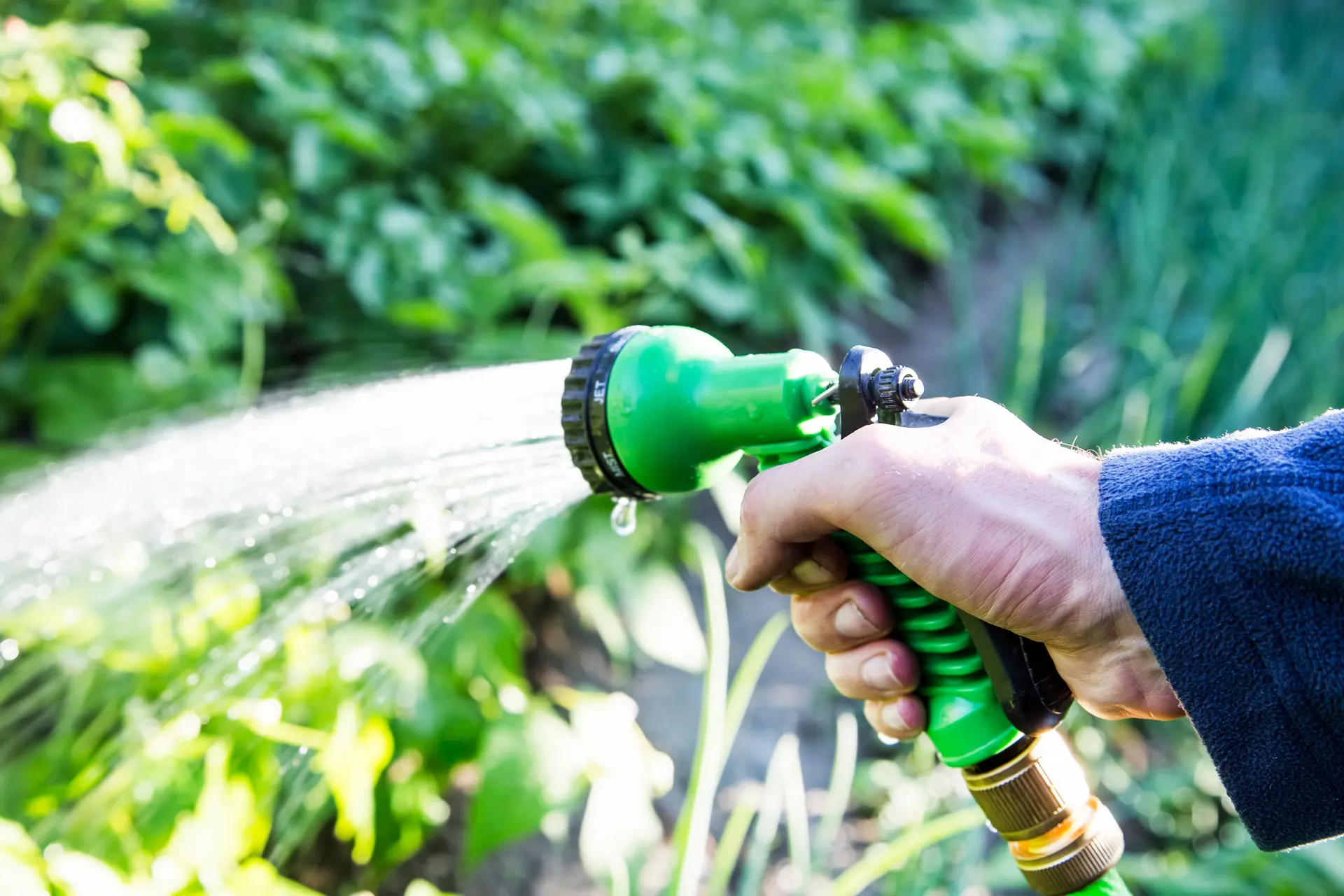
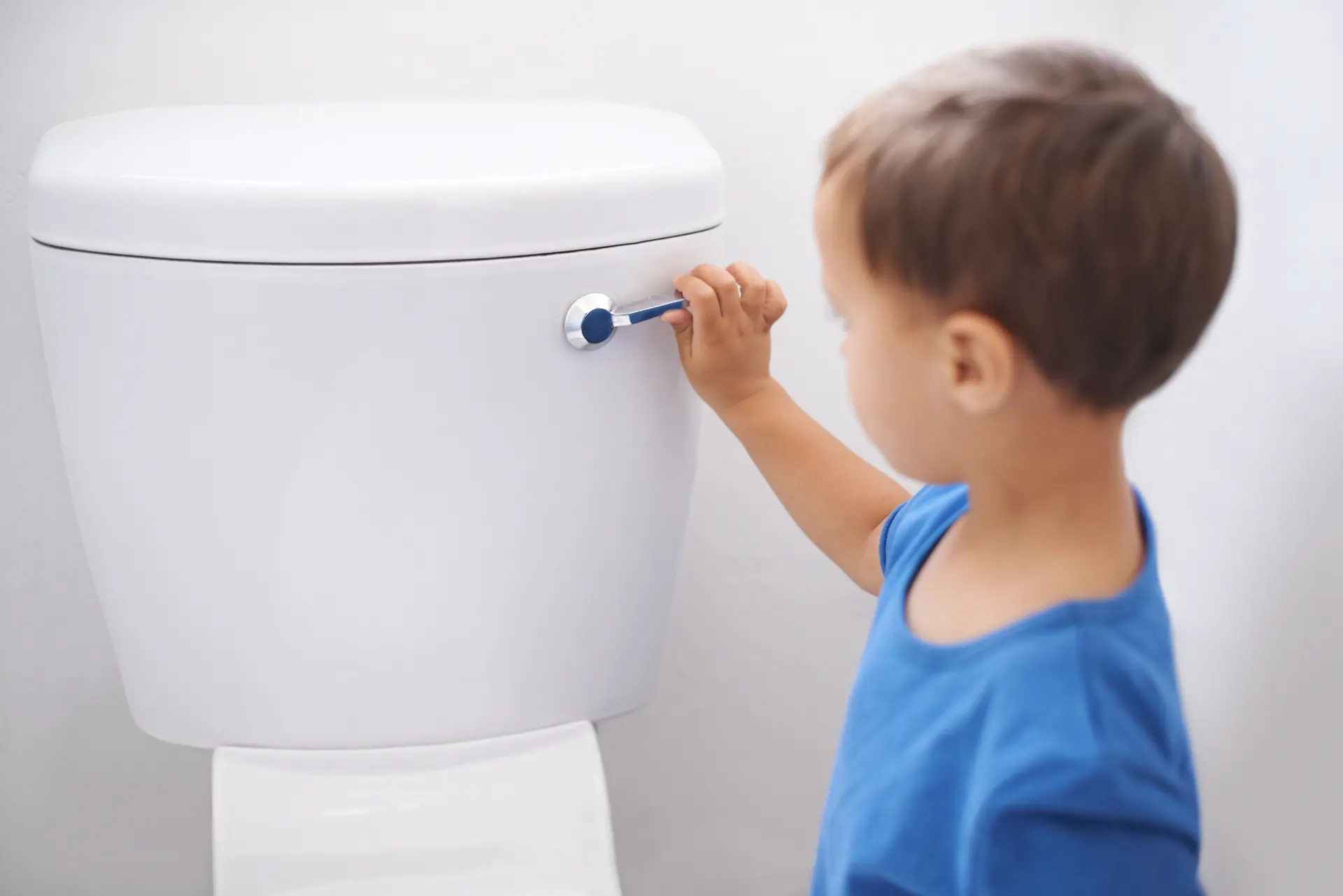
Almost half the water used in a house does not need to be drinking water: toilet flushing, washing machine, cleaning, watering. Collecting it from your roof means that many cubic metres never passing the meter — and an installation that pays back faster as water prices rise.
This concerns you if
- You are building or renovating and your municipality requires a tank
- You already have a tank but it only feeds the garden tap
- Your tank pump keeps cutting in or no longer holds pressure
- Your water bill looks high for the size of your household
What we do
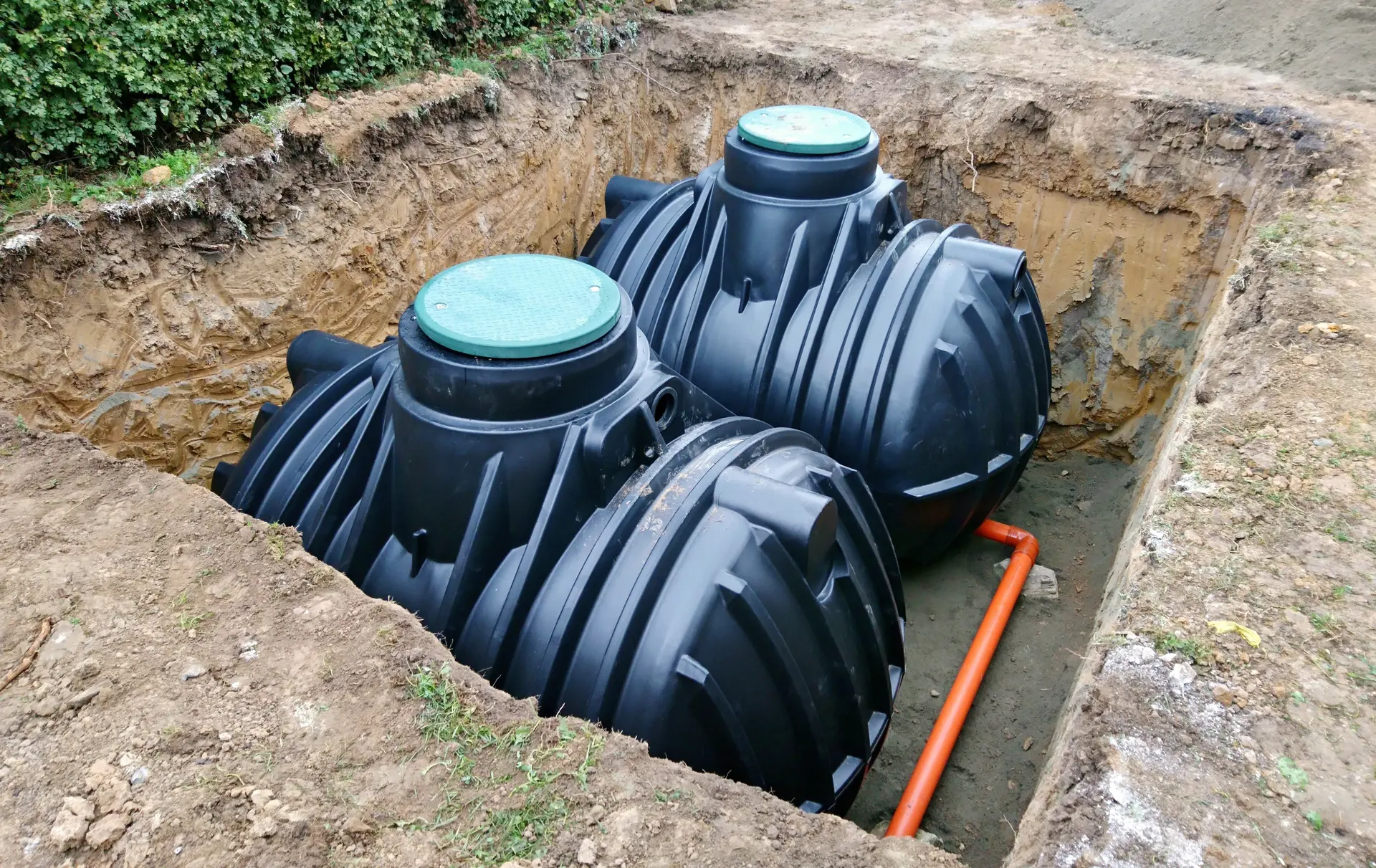
Study and sizing of the tank
Roof area, rainfall and intended uses determine the usable volume. Too small and the tank runs dry in summer; too large and it costs more than it should.
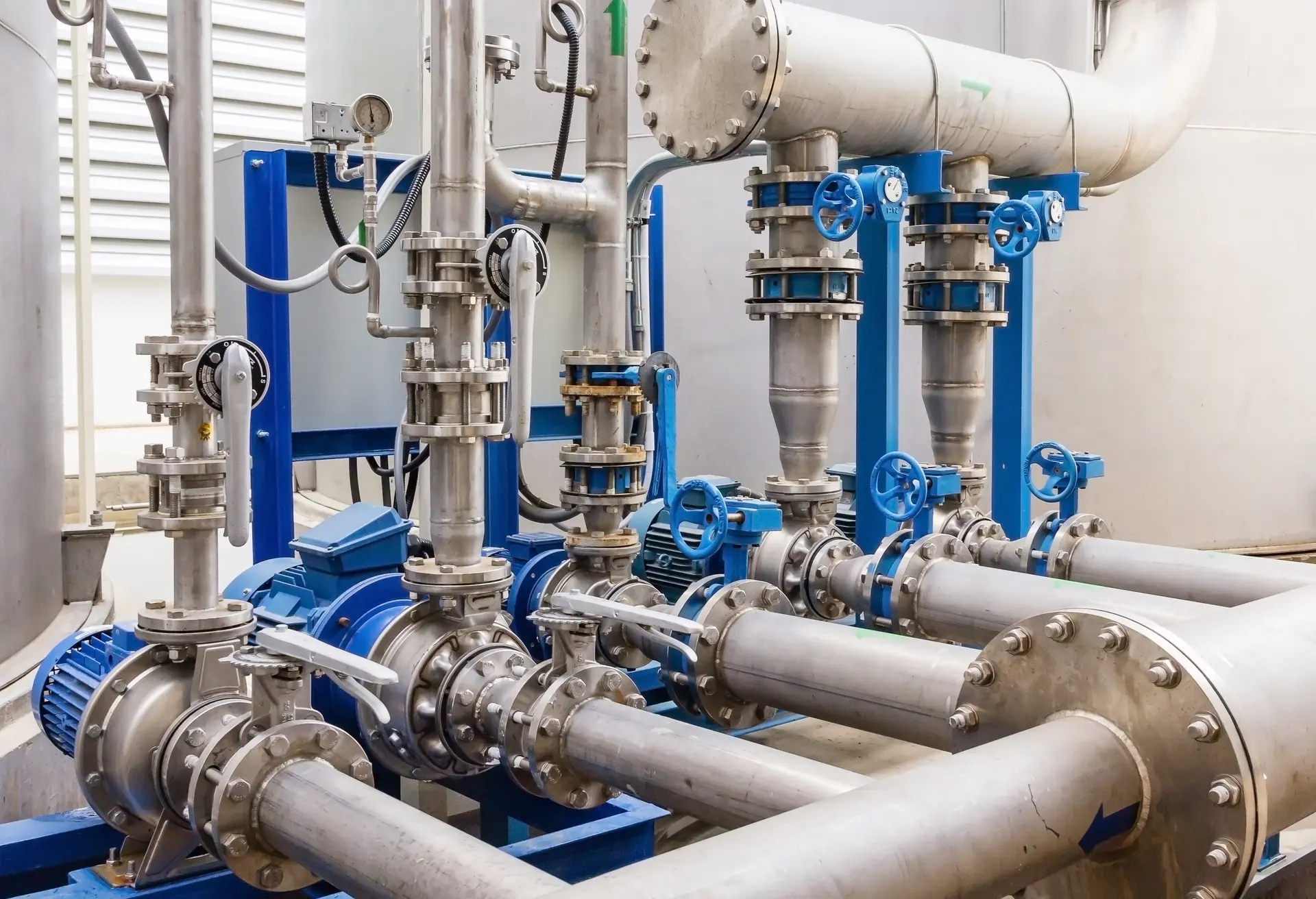
Pump set and pressure boosting
A pump matched to your draw-off points, with a vessel or variable speed drive to avoid the constant cycling that destroys equipment.
Indoor connection
Supply to toilets, utility room and outdoor taps on a separate, clearly marked network, in line with the rules forbidding any interconnection with mains water.
Filtration and automatic switchover
Filters before and after the tank, and automatic switchover to mains water when the tank is empty — without you having to think about it.
Frequently asked questions
Can rainwater supply the shower or the kitchen?
For the shower, yes: provided the rainwater network is separate from the drinking water network, hot water included, and the water passes through fine filtration completed by UV disinfection that neutralises bacteria. For the kitchen and drinking, no: those uses require drinking water in the strict sense. The usual uses — toilets, washing machine, cleaning, garden — stay connected to that same separate network, as regulations require.
What happens when the tank is empty?
An automatic switchover takes the supply back to mains water, with an air gap that prevents any backflow into the public network. You notice no difference in use.
Does a tank need maintenance?
A check every two to three years is usually enough: cleaning the filters, checking the pump and the valve, removing sludge if needed.
An idea, a project, an installation giving you trouble?
Let's talk. We listen, we measure, we propose — and you decide with a clear quote in hand. Free, anywhere in Belgium.